
Actionable Structure
Each guide includes planning rules, preparation flow, storage notes, and fallback options so readers can adapt to real life constraints.
LunchRecipes.net is designed for people who need reliable lunch options that are practical, affordable, and repeatable. You will find structured guides, clear prep systems, and recipes that explain why each step matters.
Our content focuses on everyday outcomes: balanced meals, fewer rushed decisions, safer storage, and less food waste.
Have you ever found a great lunch prep recipe only to realize your tray, dish, or pan size is different from the one in the instructions? Or maybe you want to scale a meal up for a full workweek, then scale it down the next week when your schedule changes. This common meal prep problem often causes inconsistent results, from portions that run short to meals that dry out or lose balance.
At LunchRecipes.net, we solved this with our Lunch Pan and Portion Helper. This practical calculator removes the guesswork when adjusting tray-based lunch recipes. Whether you are changing from a larger pan to a smaller one, switching container formats, or preparing meals for a different number of days, the tool gives you a clear scaling factor in seconds.
The method is based on area comparison. By measuring the original pan area and the target pan area, you get an accurate multiplier for your ingredients. Instead of rough estimates, you can keep protein, grains, vegetables, and sauces in better proportion. This leads to more reliable meal prep, better texture after storage, and fewer leftovers that go unused.
Built for busy home cooks and tested in real weekly prep routines, this tool helps you stay consistent without overcomplicating your process. No more trial-and-error portions, no more wasted ingredients, and no more rushed adjustments at the last minute. Just a cleaner planning system and lunches that hold up through the week.
Every page is written to help readers take action quickly and cook with confidence.
Each guide includes planning rules, preparation flow, storage notes, and fallback options so readers can adapt to real life constraints.
We use clear language, realistic ingredient lists, and practical serving sizes without hype or empty filler.
No orphan pages. Every article is linked from the article hub, homepage highlights, and footer navigation.
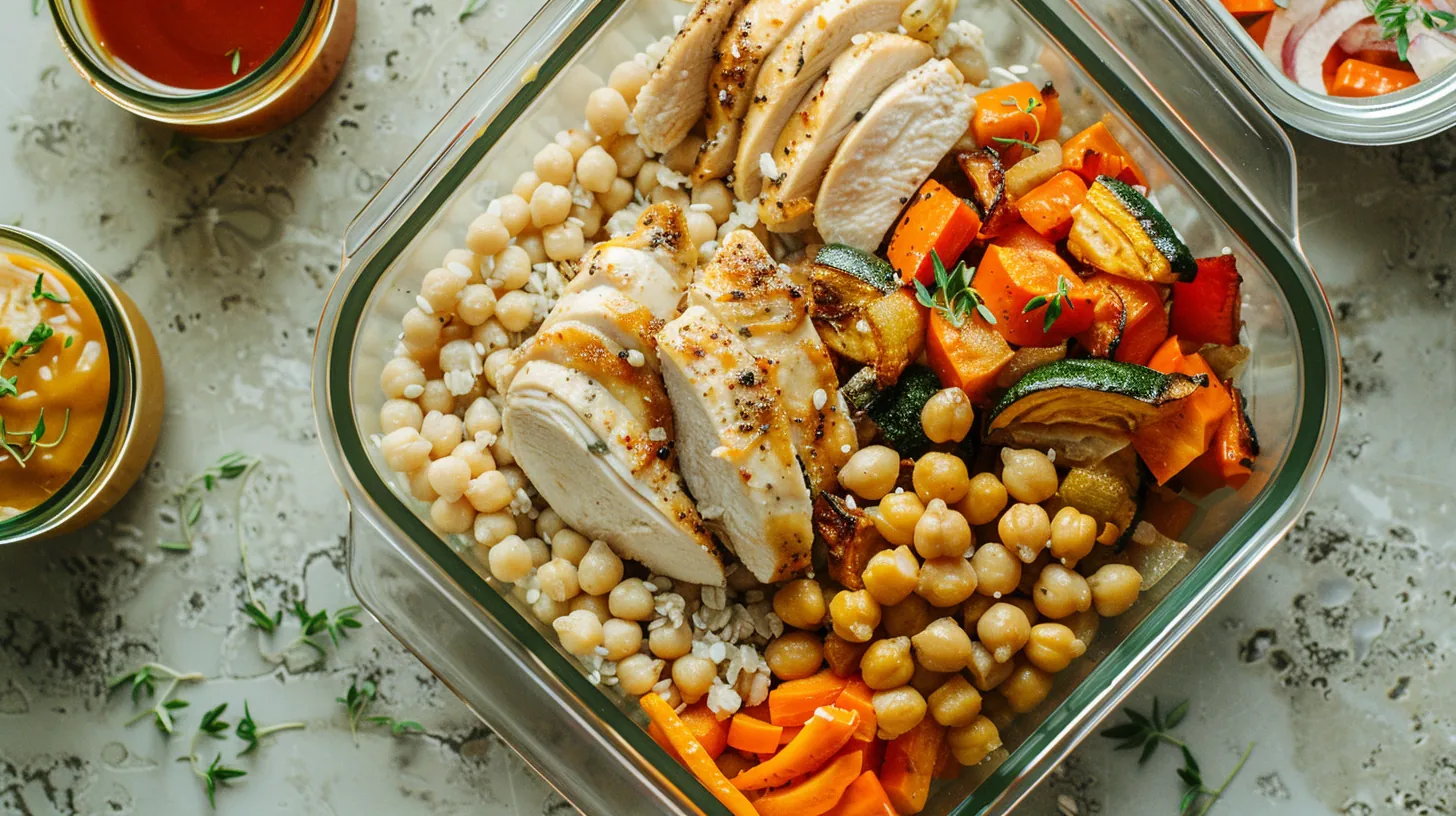
A complete framework for combining grains, vegetables, proteins, and sauces into lunches that stay satisfying and consistent all week.
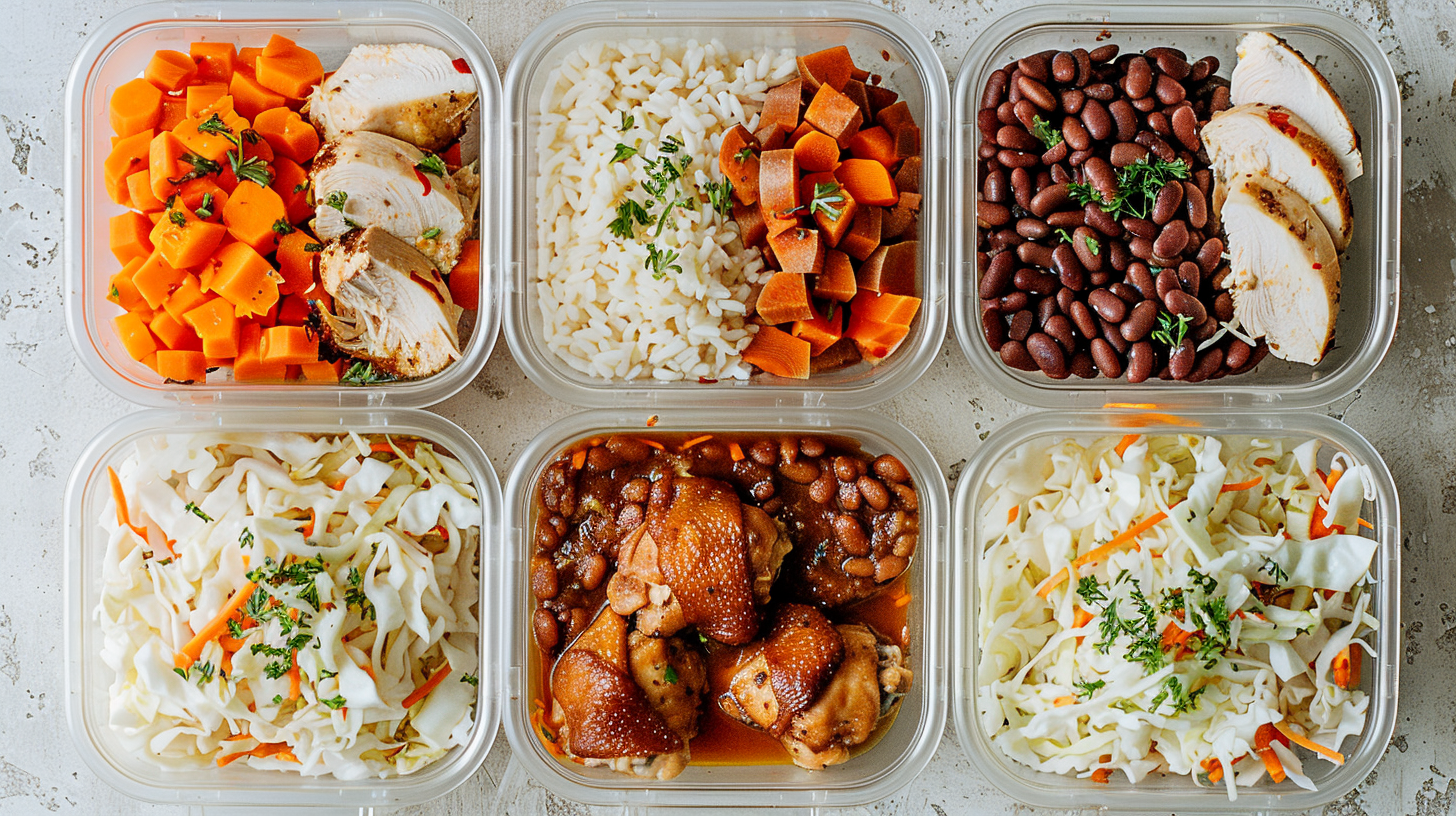
Learn an efficient shopping and prep method that limits waste, controls cost per serving, and still gives variety.
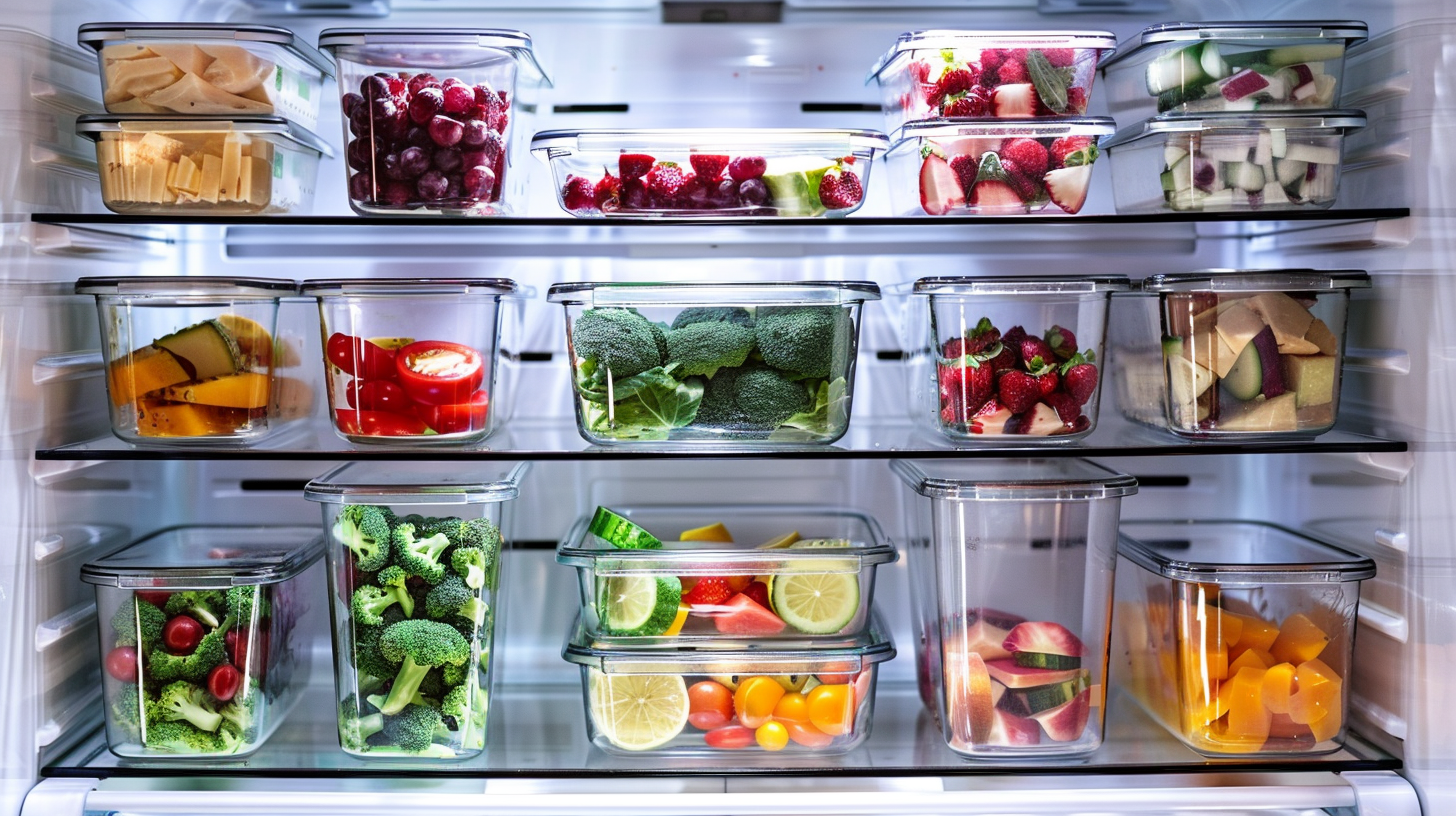
Practical temperature, timing, and container guidance to keep prepared lunches safe and high quality.
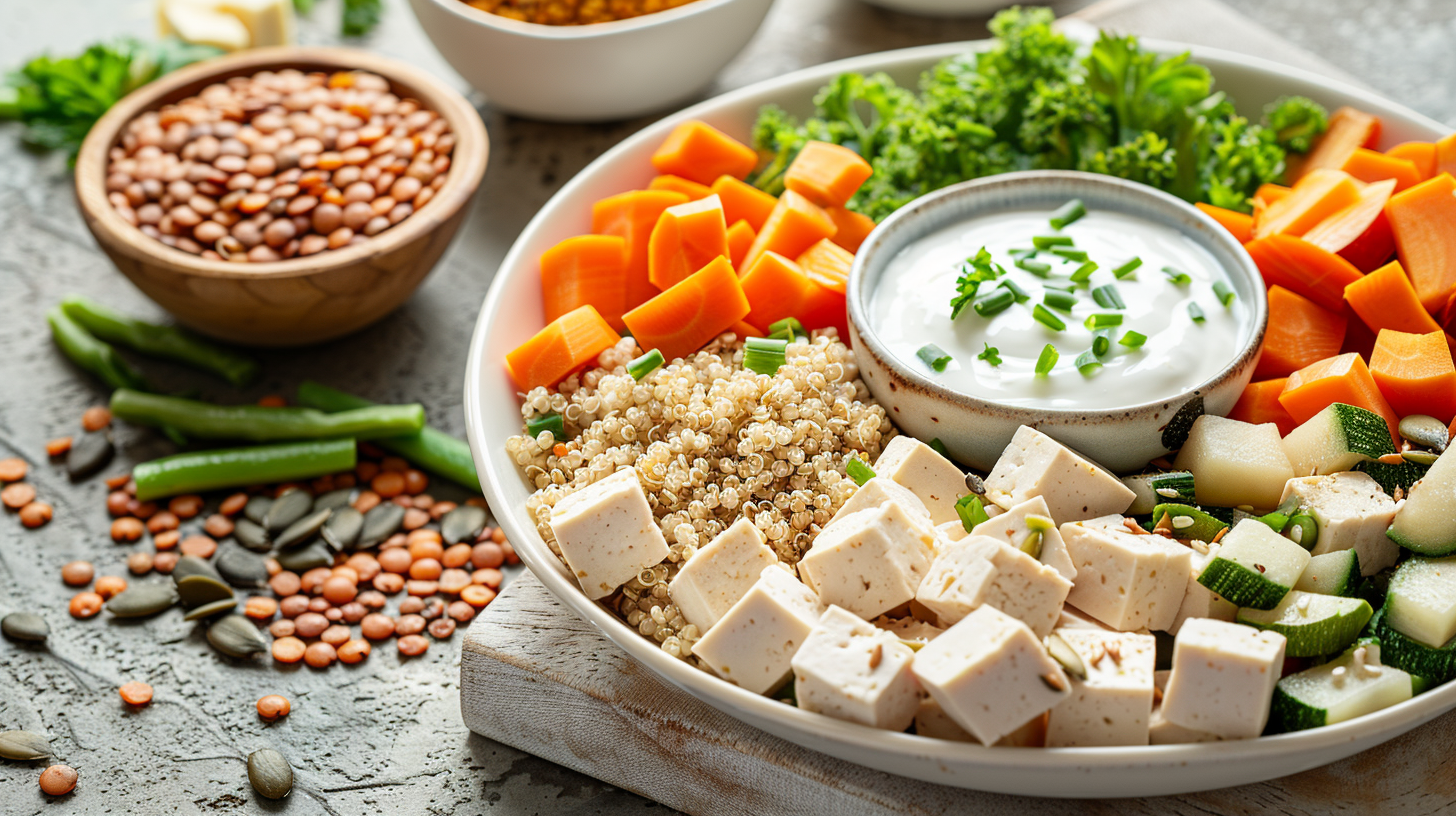
A realistic approach to vegetarian lunch planning using legumes, dairy options, seeds, and texture balancing.
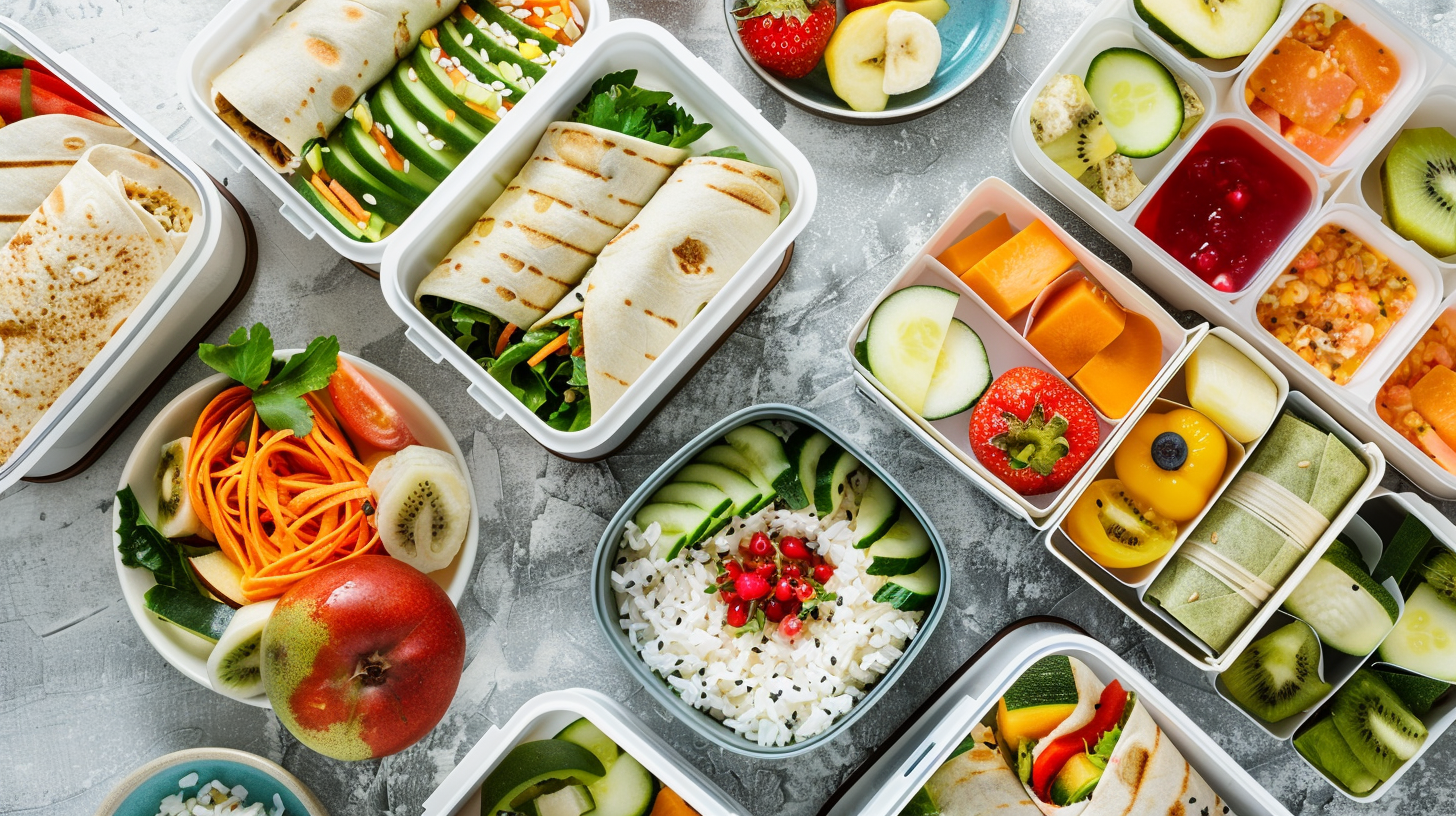
Use a base-plus-options model so one prep session can support different preferences without doubling work.
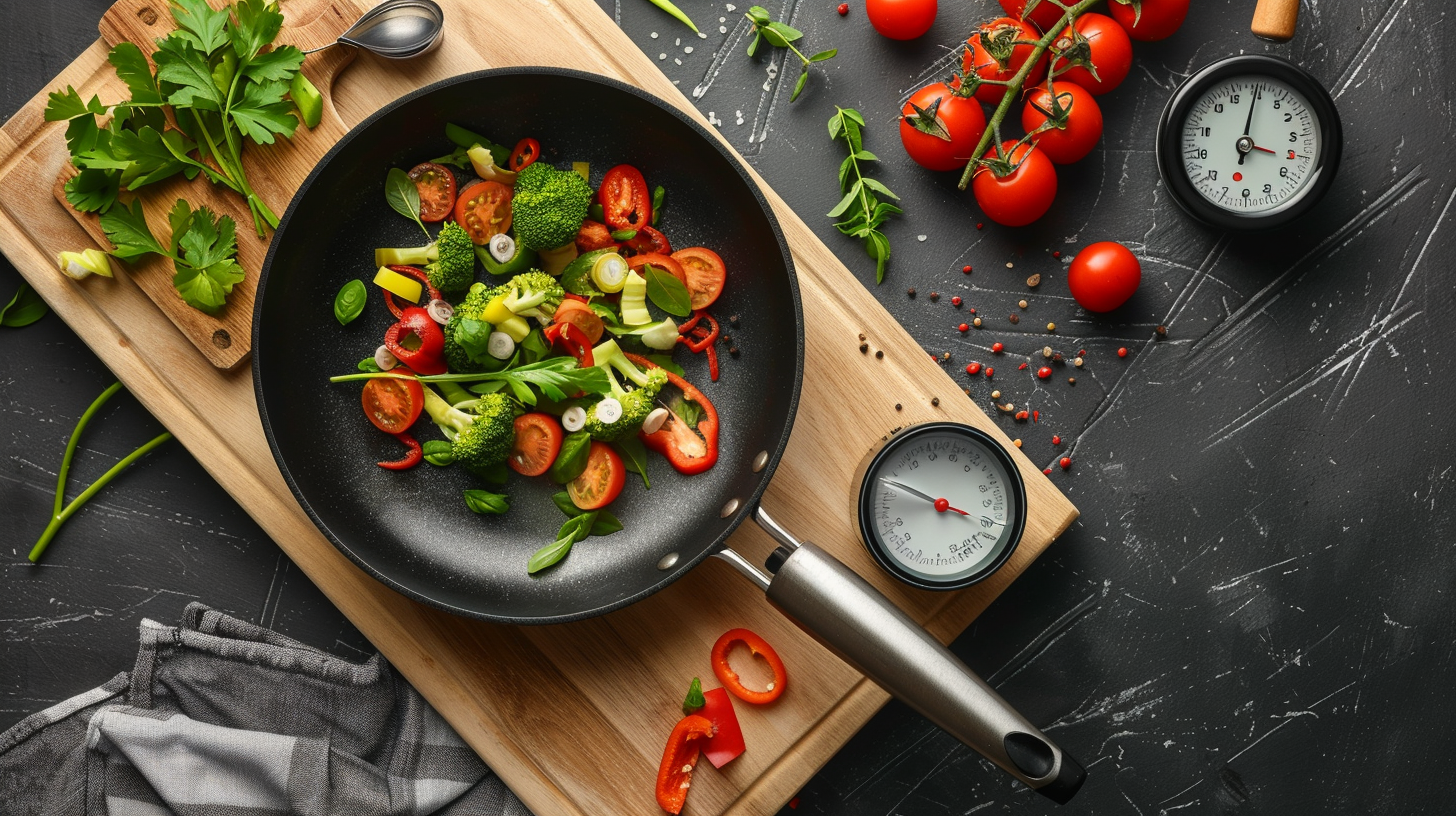
A process-focused guide to fast cooking methods, timing tricks, and flavor shortcuts that still feel fresh.
These examples reflect common feedback patterns from busy home cooks who implemented the frameworks on this site.
"I stopped skipping lunch prep after two weeks with the bowl framework. I now have a repeatable base plan and I spend less during workdays."
"The budget planning article helped me buy fewer random ingredients. My fridge leftovers are now planned instead of forgotten."
"The 30-minute workflow changed my evenings. I can prep next-day lunch without turning it into a long cooking session."
No. Many readers start with three prepared lunches and keep simple backup ingredients for the remaining days.
Yes. The base-plus-options system is designed to support different tastes without cooking separate full meals.
Yes. The articles focus on practical process steps, not advanced techniques. Start with one framework and build from there.
No. You can start with basic leak-resistant containers and a simple kitchen setup.
Two or three formats are enough for most readers: one bowl format, one wrap or sandwich option, and one lunchbox style.
Yes. Use partial prep: make three complete lunches and keep quick-assembly ingredients for remaining days.
Assign a role to each ingredient before shopping and keep a Friday leftovers plan to use remaining components.
They can be. Focus on protein anchors, texture contrast, and strong flavor finishes so cold lunches stay satisfying.
Keep the same prep framework but rotate sauces, herbs, and one seasonal produce item each week.
Prepare one mild and one bold sauce. This gives flexibility without adding too many prep steps.
Start using our practical lunch systems today and build a weekly routine that saves time, reduces waste, and keeps your meals consistent.